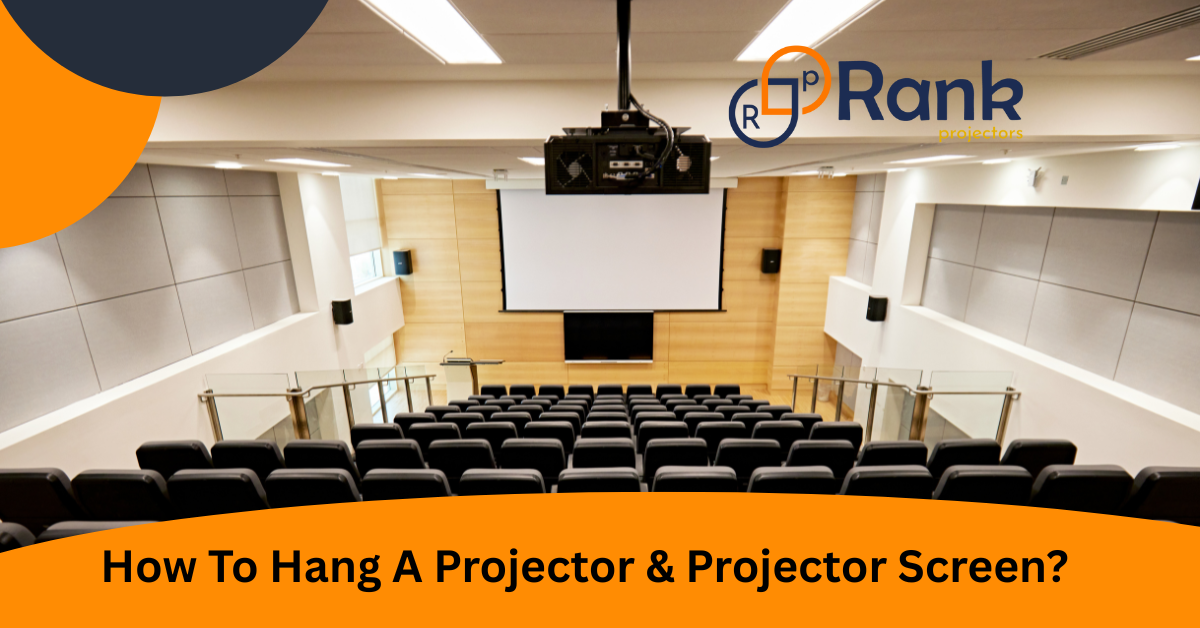
Most people are just familiar with the ceiling mount or the wall mount method for projector installation. However, with new and new projectors coming into the market, there are many options available for mounting a projector and even the projector screen. If you want to hang a projector or a projector screen, this blog will definitely help you out.
Being projector experts, we’ve compiled different scenarios regarding mounting a projector and a projector screen. Based on everything, we’ve compiled this blog so that, based on your setup, you can choose the best suitable method for projector mounting. So, let’s dive in!
6 Practical Ways To Hang A Projector
These six are the practical ways in which you can hang a projector:
1. Ceiling Mount
Ceiling mounting is one of the most popular methods for hanging a projector. This method involves using a specially designed ceiling mount bracket to secure your projector to the ceiling.
Before installing, ensure the ceiling is strong enough to support the weight of the projector and the mount. You’ll need to measure the distance correctly between the projector and the screen to maintain the ideal throw distance and alignment. Ceiling mounts are adjustable, allowing precise angling to avoid distortion or blurry images.
This method keeps the projector out of the way, saving space and giving your setup a professional look. However, proper drilling and cable management are essential for a clean and safe installation.
Read more: How To Mount A Projector On The Ceiling?
2. Wall Mount
Wall mounting is another effective option that works especially well in rooms with limited ceiling height. A wall mount bracket attaches the projector securely to the wall, often at the back of the viewing area.
When choosing this method, ensure the wall is sturdy enough to bear the projector’s weight. Similar to a ceiling mount, you’ll need to calculate the throw distance to achieve the correct image size and focus.
Many wall mounts come with adjustable arms, so you can fine-tune the angle and alignment during installation. It also provides flexibility to position the projector close to power outlets and hide cables for a neater appearance.
3. Shelf Mount
A shelf mount is one of the easiest and least invasive ways to set up a projector. All you need is a stable and level shelf positioned at the correct height and distance from the screen. Since no drilling or brackets are required, it’s a straightforward and cost-effective solution.
This method is ideal for renters who cannot make permanent modifications to their space. However, make sure the shelf is sturdy enough to prevent the projector from moving or tipping over during use. Additionally, maintaining proper ventilation around the projector is important to prevent overheating.
4. Tabletop Setup
For ultimate simplicity, a tabletop setup is extremely beginner-friendly and requires minimal preparation. Just place the projector on a flat, stable surface, such as a table or stand, and aim it at the screen. This method is useful for temporary setups, such as in classrooms or casual movie nights, as it allows you to move the projector easily between rooms.
(Check our 11 Ideas To Put Projector On A Shelf)
The downside is that it takes up table space and may not look as polished as other methods. Adjust the height and position of the projector to ensure the lens aligns properly with the screen. Additionally, securing the projector with non-slip pads can prevent accidental bumps.
5. Drop-Down Ceiling Mount
A drop-down ceiling mount offers a more advanced and aesthetically pleasing way to hang a projector. With this method, the projector is housed inside a compartment in the ceiling and only drops down when in use, often using a motorized mechanism.
This method provides a clutter-free appearance when the projector is not in use, making it an excellent choice for modern homes and offices.
However, it requires professional installation and may involve higher costs. It’s essential to measure the drop distance accurately to align the projector with the screen perfectly. Careful cable management is crucial to ensure proper functionality and avoid damage to wires.
Read more: 6 Methods To Mount A Projector To Drop-Down Ceiling.
6. Tripod Stand
A tripod stand is one of the most flexible and portable options for projector mounting. This method is suitable for temporary or outdoor setups, as the tripod can be easily moved and adjusted to suit different locations. Most tripod stands come with adjustable height settings, allowing you to raise or lower the projector as needed.
When using a tripod, ensure the base is sturdy and stable to avoid tipping over. It’s also important to consider the projector’s alignment with the screen, as slight movements can affect image quality. This method is perfect for presentations, outdoor movie nights, or events where a more permanent setup is not practical.
4 Situational Tips To Hang a Projector
There are situations where the above six methods may not be applicable, or you may prefer a more customized approach to hanging your projector. In such cases, below are four additional tips to consider when setting up your projector in different situations.
1. Inverted Ceiling Mount
An inverted ceiling mount is a practical option when your projector is designed to be installed upside-down. Many modern projectors feature this design to optimize ventilation and image alignment, making it a popular choice for home theaters or office setups.
To use this method, you will need a specialized mount that securely holds the projector in its inverted position. These mounts often come with adjustable arms to ensure a firm grip and the ability to make fine adjustments for perfect image positioning.
Make sure to check your projector’s manual for compatibility and to configure the settings to adjust the image orientation, as the image will need to flip to appear correctly on the screen.
2. Rear Projection Mount
For unique setups such as special screens or event backdrops, a rear projection mount can be the ideal choice. This method involves placing the projector behind the screen so that the image is projected through it, creating a sleek and unobtrusive viewing experience. Rear projection is common in professional events, trade shows, or high-end home theater designs, as it eliminates shadows and disruptions caused by people walking in front of the screen.
To use this method effectively, you need a projector that supports rear projection mode. Additionally, the screen must be designed for rear projection, as it requires a specific material to allow light to pass through with clarity. Ensure you stabilize the projector on a secure mount or stand, and take care to position it at the correct distance to fill the screen evenly.
3. Portable Cart Mount
A portable cart mount is a versatile and mobile solution, perfect for classrooms, training sessions, or other situations where the projector needs to be moved frequently. These carts are designed with multiple tiers to hold the projector, laptop, and other equipment securely, allowing for an organized and flexible setup.
When choosing a portable cart, look for features like adjustable height, lockable wheels, and sturdy construction to ensure stability during use. This setup makes it easy to wheel the projector between different rooms or areas without much effort. Additionally, the mobility of a cart mount means you can quickly adapt to different environments and ensure that your projector is always positioned for optimal viewing angles.
After everything is done, secure the projector properly on the cart to prevent movement during transport, and consider using cable management tools to keep power and connectivity cords neat and out of the way.
4. Suspended Pipe Mount
The suspended pipe mount method is useful for spaces with high ceilings, such as auditoriums, conference halls, or places of worship. This setup involves installing a pipe or pole that is securely attached to the ceiling, with the projector mounted at the lower end of the pipe. This method allows you to lower the projector to the appropriate height for clear and focused projection, even in large or open spaces.
Suspended pipe mounts are highly customizable, as the length of the pipe can be adjusted to meet the specific needs of the room. When installing this type of mount, it is critical to use high-quality materials and secure all components properly to ensure safety and durability. Additionally, you should run power and connection cables along the pipe and secure them with clips or cable ties to maintain an organized and professional appearance.
6 Practical Ways To Hang A Projector Screen
Regarding projector screens and mounts, there are various options available in the market. Some of these include ceiling mounts, wall mounts, tripod stands, motorized screens, and portable screens. Each type has its own advantages and may be suitable for different scenarios or preferences.
Here are six practical ways to hang a projector screen:
1. Wall Mount
A wall-mounted fixed projector screen is a permanent option, securely attached to the wall. It is ideal for dedicated spaces like home theaters or classrooms where the screen doesn’t need to be moved. This type ensures a perfectly flat surface for optimal image quality and minimizes the risk of damage since it stays in place.
2. Ceiling Mount
Ceiling-mounted fixed screens are another permanent solution, offering a clean and clutter-free setup. This method is excellent for small spaces since it doesn’t take up floor or wall real estate. It is especially useful for rooms with high ceilings or if the screen needs to drop down in front of windows or other fixtures. Although it requires professional installation for proper alignment, it provides a smooth and unobtrusive design.
3. Pull-Down Manual Screen
Pull-down manual screens are great for multipurpose rooms where the screen needs to be frequently hidden. These screens are attached to a wall or ceiling and can be pulled down when needed. They are budget-friendly and simple to use, though they may develop wrinkles or rolling issues over time if not handled with care. This option works well for both casual and professional settings.
4. Motorized Retractable Screen
A motorized retractable screen offers convenience and advanced functionality. With the simple push of a button or remote control, the screen can roll up or down. It’s an excellent choice for modern spaces or high-end installations, providing a sleek and professional appearance. While it is more expensive and requires access to a power source for operation, its ease of use and stylish design make it worthwhile.
5. Tripod Stand
A projector screen on a tripod stand offers superior portability. It is lightweight, easy to set up, and does not require permanent installation. This type is perfect for temporary events, presentations, or outdoor movie nights. Though it might not provide the most stable or professional appearance, it’s a practical choice for users who need flexibility and mobility.
6. Floor-Rising Screen
Floor-rising screens are compact and portable, stored in a case that allows the screen to easily rise upwards when needed. These are ideal for users who want a professional look without permanent installation. They are simple to set up and store, making them suitable for travel or quick presentations. However, they are typically smaller in size compared to other options and might not suit larger audiences.
Check Our Top 4K Projector Screens To Buy Now!
5 Situational Ways To Hang A Projector Screen
Below are five different scenarios in which a projector screen may need to be hung, along with the recommended method for each situation.
1. Tensioned Fixed-Frame Screen
A tensioned fixed-frame screen is one of the best choices for creating a high-quality home theater experience. These screens use a rigid frame to stretch the screen material tightly, removing any wrinkles or waves for a perfectly flat viewing surface. This tensioning ensures that the images projected onto the screen appear crisp and distortion-free, making it ideal for high-definition content.
However, they do require a dedicated wall space for installation and cannot be easily moved once installed. The assembly process typically involves mounting the frame to the wall and ensuring the screen material is fitted correctly.
2. Non-Tensioned Fixed-Frame Screen
Non-tensioned fixed-frame screens are a budget-friendly alternative to tensioned fixed-frame screens. These screens are also mounted on a rigid frame but lack the tensioning feature that keeps the material flat and tight. This can sometimes result in slight ripples or waves in the screen, which may affect the clarity of the projected images.
Despite this drawback, non-tensioned screens are still a solid choice for casual viewing purposes and presentations. They are relatively easier to install, making them a convenient option for spaces where a permanent screen setup is desired but without a large investment.
If aesthetics and flawless image quality are less of a concern, this type of screen can be a practical and affordable solution.
3. Recessed Ceiling-Mounted Screen
A recessed ceiling-mounted screen offers a sleek and discreet solution for those who want their projector screen to be hidden when not in use. This type of screen is installed in the ceiling and typically retracts into a hidden compartment when not needed.
This setup requires significant ceiling work and possibly professional installation, as the compartment must be securely built into the ceiling structure.
Recessed screens are ideal for minimalist spaces or multipurpose rooms where leaving a screen exposed might interrupt the design flow. While the initial installation effort and cost are higher, the clean and polished appearance can be worth it for spaces like conference rooms, luxury homes, or modern office setups.
4. Hanging Wire Suspension
Hanging wire suspension is a versatile method for installing a projector screen, particularly in areas with high ceilings or creative environments such as art studios, industrial spaces, or lofts. This setup involves attaching wires or cables to the ceiling or walls, allowing the screen to hang freely.
The suspended screen can be positioned at various heights to accommodate different viewing angles or spatial setups. This approach is flexible and can also be a more affordable way to hang a screen without requiring extensive structural changes.
5. Portable Foldable Frame Screen
A portable foldable frame screen is a highly practical option for those who need flexibility and mobility. These screens are designed for quick assembly and disassembly, making them a favored choice for events, outdoor movie nights, or even traveling presentations. The foldable frame provides sturdy support, ensuring the screen remains stable during use.
Additionally, they are made from lightweight materials so that they can be transported with ease. When combined with a portable projector, this type of screen transforms nearly any location into an effective viewing space.
While these screens are convenient and flexible, they may not offer the same level of image quality or steadiness as more permanent setups, especially in windy outdoor conditions. Nonetheless, their portability and versatility make them a staple for on-the-go projection needs.
Bottom Line: How To Hang A Projector & Projector Screen?
So, to summarize, there are 10 different ways to hang a projector, while 11 different ways to hang a projector screen. Depending on the type of projector and screen you have, some methods may be more suitable than others.
Thanks for reading!